Teleworking: The Essentials for Working from Home
A complete guide to teleworking in Portugal: tips on organisation, ergonomics, work-life balance and emotional management. Maintain productivity and well-being when working from home.
· 6 minutos · Dicas de Formação
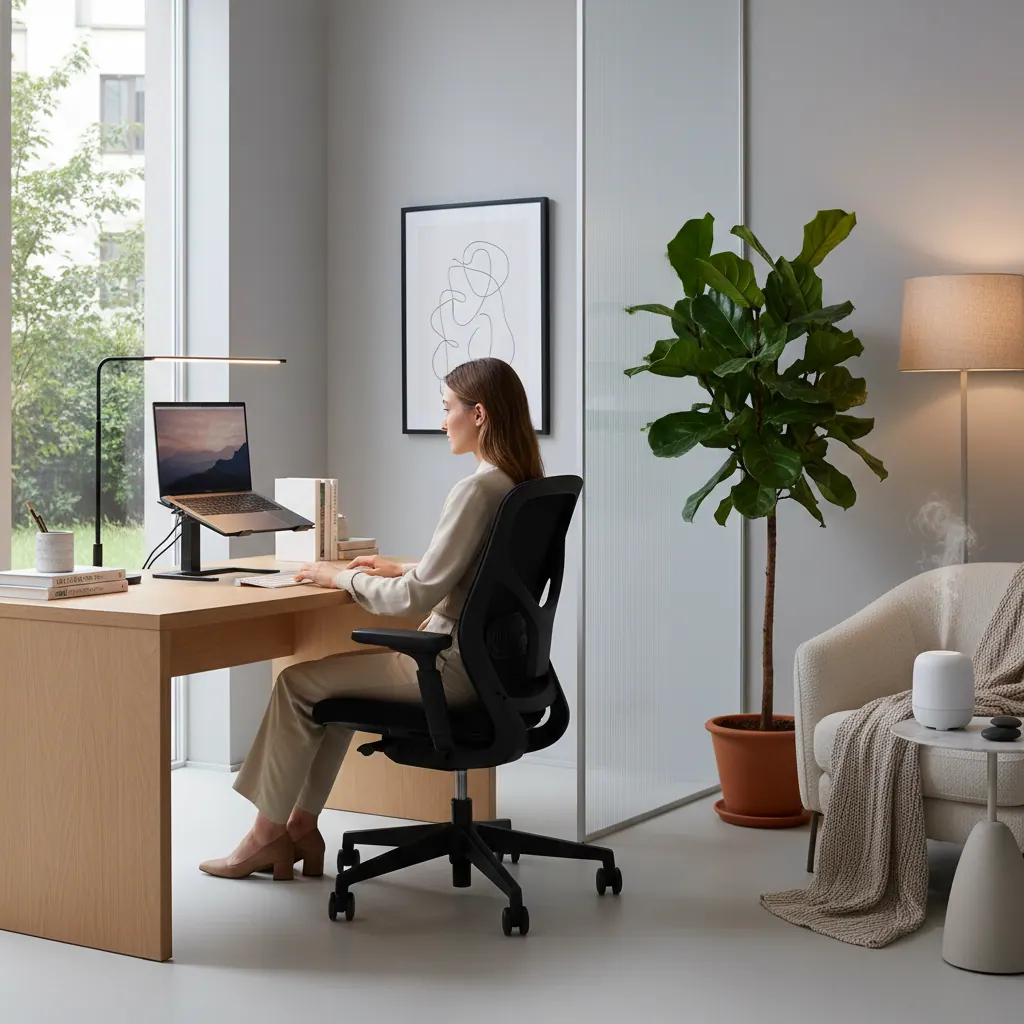
Teleworking, a modality that has consolidated in recent years, requires adaptation and the implementation of best practices to ensure productivity and, above all, the well-being of employees. Working from home can present unique challenges, but with the right strategy, it is possible to create an effective and healthy working environment.
Organisation and Time Management
Maintaining a structured routine is fundamental for those who telework. Define start and end times for the working day, as well as regular breaks. This discipline helps to separate professional and personal life, preventing burnout. Create a daily or weekly plan of your tasks, prioritising the most important ones and setting realistic goals.
- Set fixed times to start and finish work.
- Establish a schedule for breaks and meals.
- Use time management and task planning tools.
- Create a daily and weekly to-do list.
Workstation Ergonomics
An ergonomic working environment is crucial to prevent health problems, such as back pain or repetitive strain injuries. Invest in a good workspace, even if it is adapted to a domestic space. The chair, the desk and the position of the screen are key elements.
- The chair should be adjustable and provide good lumbar support.
- The screen should be at eye level, approximately an arm's length away.
- Keep your wrists straight when typing, using an ergonomic keyboard and mouse, if possible.
- Ensure good natural and artificial lighting.
Work-Life Balance
The difficulty in separating professional and personal roles is one of the greatest challenges of teleworking. It is important to establish clear boundaries to prevent work from invading rest and leisure time. Communicate your availability to colleagues and family members so that everyone respects your schedule.
- Create a dedicated workspace, if possible, to help with the separation.
- Turn off work notifications outside of working hours.
- Communicate your working hours to your family members to avoid interruptions.
- Dedicate time to leisure and social activities.
Emotional Management and Psychological Well-Being
Isolation and work overload can impact mental health. Practice self-compassion, recognise your limits and seek support when necessary. Keeping in touch with colleagues and friends, even if remotely, contributes to emotional well-being.
- Keep in regular contact with colleagues and friends.
- Practice mindfulness exercises or other relaxation techniques.
- Take active breaks and practice physical exercise.
- If necessary, seek professional advice.
Legal Framework in Portugal: Article 131 of the Portuguese Labour Code
In Portugal, the teleworking regime is framed within the Labour Code. It establishes the legal basis for teleworking, guaranteeing the rights and duties of both the employer and the worker. It is fundamental that both parties are aware of these provisions to ensure a fair and balanced employment relationship.
The Portuguese Labour Code provides that the teleworking agreement must be concluded in writing, and may be previously defined in the initial employment contract or through an addendum. It must specify, among other aspects, the duration period, the place of work, the working hours and the method of monitoring activity, the occupational safety and health conditions, the amount and frequency of expenses inherent to teleworking, and a set of rules on the ownership of work instruments and technical support. The employer has a duty to ensure occupational safety and health conditions, including in the teleworking regime, and the worker has the right to continuous vocational training, just like other workers.
Conclusion
Teleworking, when well managed, offers flexibility and control over the working environment. By adopting these practices and understanding the Portuguese legal framework, you will be able to maintain your productivity and well-being, ensuring a positive and sustainable teleworking experience.