Vocational Training in the Metallurgical Sector: The Essentials in Portugal
A comprehensive guide to compulsory vocational training in the metallurgical sector in Portugal. Learn about the laws, training types and deadlines to ensure the qualification of your employees.
· 10 min · Legislação Laboral
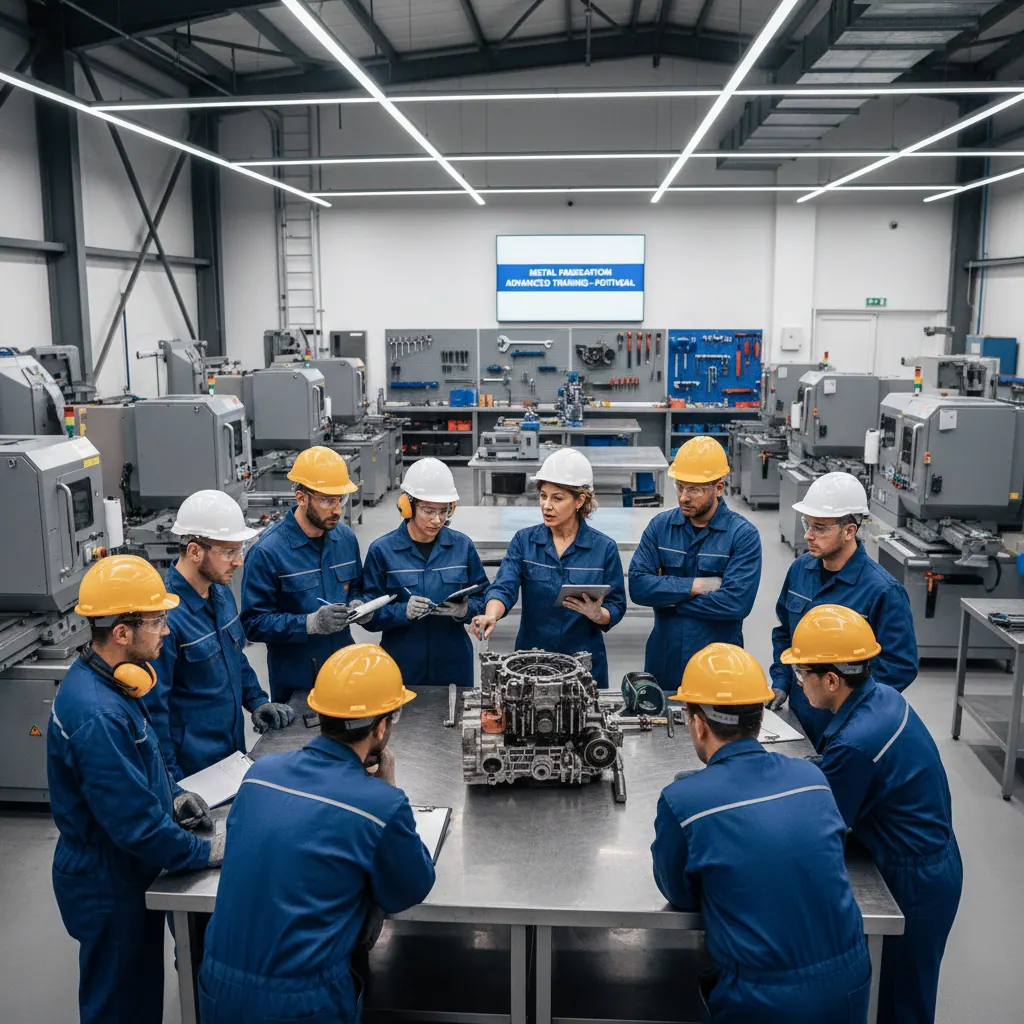
Continuous vocational training is a fundamental pillar for development and safety in the metallurgical sector. In Portugal, labour legislation, with particular emphasis on Article 131 of the Portuguese Labour Code, establishes clear guidelines on mandatory training, aiming to update skills and improve working conditions.
Historically, the need for specific training has been recognised, evolving to cover a wider spectrum of professionals and activities within the sector.
Legal Framework for Training in Portugal
In Portugal, Article 131 of the Portuguese Labour Code imposes a duty on employers to ensure continuous vocational training for their workers. This training aims to guarantee employability, adaptation to new technologies and processes, as well as the promotion of occupational safety and health.
Although there is no specific "Convenio Colectivo Estatal de la Industria, la Tecnología y los Servicios del Sector del Metal" as in Spain, companies in the metallurgical sector in Portugal must comply with the provisions of the Portuguese Labour Code and the respective applicable Collective Labour Regulation Instruments (IRCTs), which may establish additional training requirements for the sector.
Mandatory Training in the Metallurgical Sector
Mandatory training covers various levels and roles within organisations. The objective is to ensure that all workers, from management to operational staff, possess the necessary skills for their roles and for the prevention of occupational risks.
Companies must ensure a minimum of 40 hours of continuous training per year for each worker. The content and method of this training must be adapted to the specificities of the job role and the needs of both the company and the worker.
Types of Training and Formats
Training can be structured in various ways, adapting to the needs of the company and the workers. Formats may include classroom-based, *online* (distance learning) or blended learning.
For guidance purposes, we can consider the adaptation of the training types suggested in the sector, with the following characteristics:
- Senior management and supervisors: Training focused on management, leadership, occupational safety and technological updates. It can be fully or partially online.
- Administrative and office staff: Training in IT tools, communication and internal procedures. The *online* format is acceptable.
- Operational staff (production and maintenance): Specific and practical training related to job tasks, machine operation, occupational health and safety. A significant classroom-based component is recommended.
- Basic Level Training: Comprehensive training in occupational safety and health, which may include classroom-based and distance learning components.
Refresher Training and Updates
Continuous training is not a one-off event, but a cyclical process. Professional refresher training is crucial to keep knowledge up to date, especially in a sector undergoing constant technological evolution such as metallurgy.
Companies must plan refresher training at regular intervals. In situations of prolonged absence from the sector, new refresher training may be required before the worker returns to their duties.
Planning and Deadlines
It is essential that companies in the metallurgical sector in Portugal establish an annual training plan, ensuring compliance with the mandatory 40 hours of training per worker. This planning must include the definition of objectives, content, formats and deadlines for carrying out the training actions.
The responsibility for providing and managing the training lies with the employer, who must adapt the training plan to the specific needs of their workforce and the legal requirements in force.
Conclusion
Vocational training in the Portuguese metallurgical sector is a strategic investment that ensures not only compliance with the legislation, but also the continuous improvement of productivity, worker safety and company competitiveness. It is imperative that organisations remain vigilant and proactive in managing the training of their employees.