Practical awareness to reduce road accidents
Discover how practical training can reduce road accidents. Learn about driving position, steering wheel handling, use of vision, vehicle knowledge and experience in emergency situations. Relevance to Article 131 of the Portuguese Labour Code.
· 7 minutos · Segurança no Trabalho
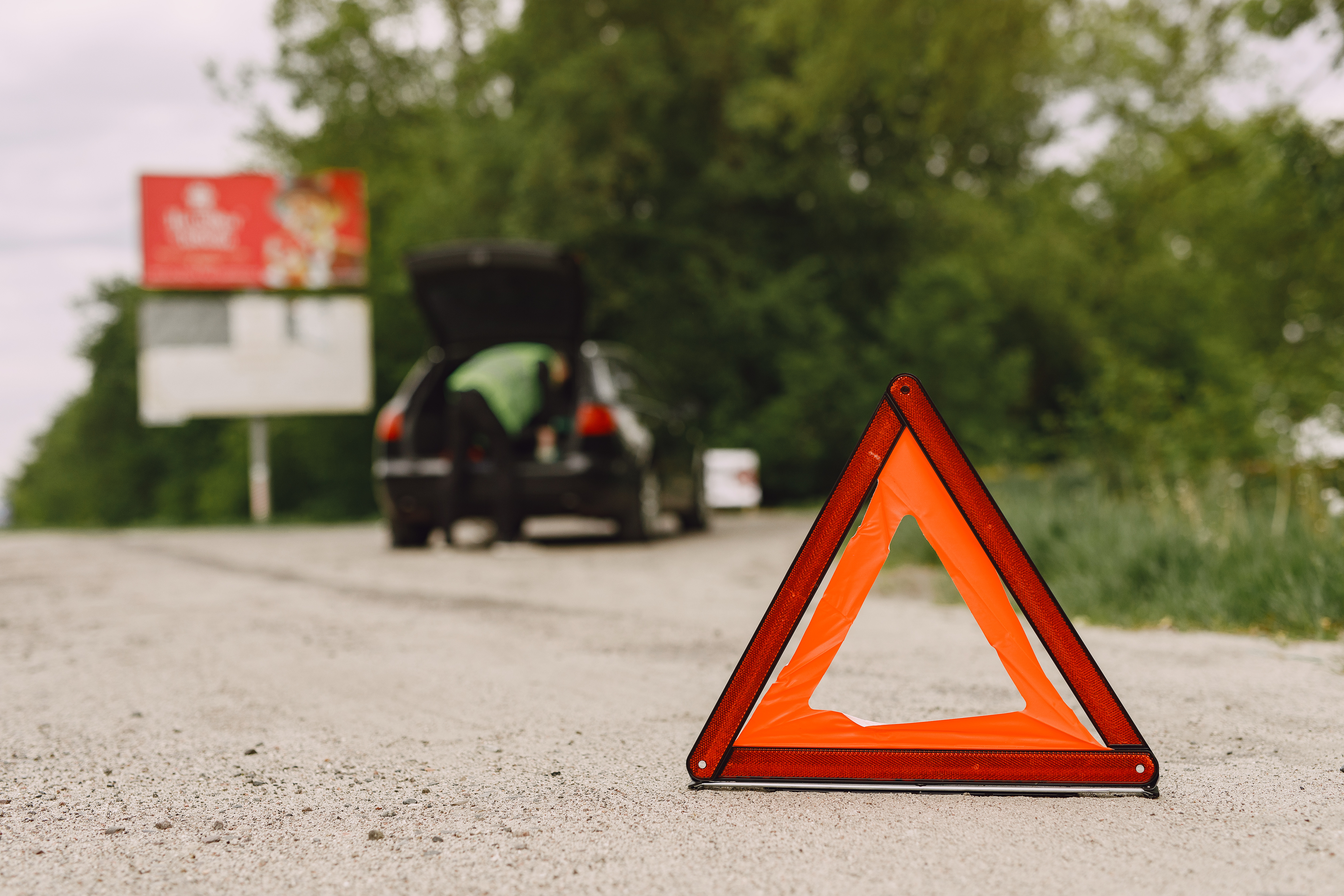
Obtaining a driving licence grants the legal entitlement to drive on the road, but being a good driver requires more than just theoretical knowledge. It is essential to acquire complementary skills that allow for an appropriate reaction to unexpected situations and, thus, contribute to the reduction of road traffic accidents. Continuous training, as advocated by Article 131 of the Portuguese Labour Code, which establishes 40 annual hours of training for workers, plays a crucial role in this development, especially for those who drive in a professional context. Although this article does not focus exclusively on compulsory vocational training, its principles align with the importance of constant learning and updating.
In this regard, we explore below some driving tips which, although sometimes forgotten, are paramount for road safety.
Driving Position
An incorrect position at the wheel can lead to the onset of fatigue and tiredness, risk factors that contribute to a high number of accidents. Furthermore, maintaining poor posture over time can cause cervical and back injuries, which are common pathologies in professional drivers. Correctly adjusting the seat, the backrest, and the distance to the pedals and steering wheel is crucial for comfort and safety.
Handling the Steering Wheel
After adjusting the driving position, the next step is to handle the steering wheel correctly. Imagine the steering wheel as a clock: hands should be positioned symmetrically, for example, at 9:15. Thumbs should always be on the outside of the steering wheel, minimising the risk of injury in the event of an accident. Movements should be wide, precise, and smooth; any sudden turn is transmitted to the vehicle, penalising its dynamic behaviour.
Use of Vision
It is essential to use vision appropriately whilst driving. One must look far ahead, rather than focusing solely on the rear of the vehicle in front. By expanding the field of vision, we can anticipate unexpected events and react more promptly to any situation on the road.
Knowledge of the Vehicle
It is fundamental to know the dynamic behaviour of the vehicle being driven. We are manoeuvring a machine that can weigh close to two tonnes and travel at high speeds. It is important to know its main characteristics, such as the type of drive (front or rear-wheel drive) or whether it is a light or heavy vehicle. This knowledge allows for a more adjusted and safer drive.
Experience in Different Situations
In addition to theoretical knowledge, it is crucial for the driver to experience the vehicle's behaviour in various situations: cornering, loss of grip, emergency braking, swerving, etc. Learning through practical experience, i.e. putting theoretical concepts into practice, is a fundamental pillar of road safety training. The repetition of practices such as these ensures that, in an emergency situation, the driver reacts correctly rather than instinctively, which, in most cases, would not be the most appropriate response.
Consider the following practical examples:
- Emergency braking: Although it is possible to explain how to perform emergency braking (pressing firmly and simultaneously on the brake and clutch pedals, keeping your eyes on where you want to steer the vehicle, turning the steering wheel quickly and precisely, and maintaining pressure on the pedals throughout the manoeuvre), this explanation does not compare to the sensation of performing emergency braking at 70 km/h. It is in practice that one realises how much more the vehicle brakes than expected or feels the pulsations of the ABS system in the brake pedal.
- Roundabout with slippery surface: In practice, a driver can verify that, even at low speed (35 km/h), they may not be able to control the vehicle's skid on a slippery road surface. This experience reinforces the importance of keeping tyres in good condition and the benefits of the vehicle's electronic systems.
- Rollover: Through a simulator, one can experience the complete sequence of a rollover. A rollover is one of the most dangerous accidents, given that the roof is the most fragile part of the vehicle, tending to deform. Furthermore, the deformation of the passenger compartment frequently blocks the doors, requiring exit through the side windows or the rear window. It is crucial to know that one should not attempt to break the windscreen, as it is made of laminated glass and does not break easily. One also learns how to exit the vehicle without worsening existing injuries. If you are upside down and release the seat belt immediately, neck injuries can be very severe. There are simple techniques to exit the vehicle safely.
Practice in impact simulators, which reproduce head-on collisions at low speeds (8 to 12 km/h), is crucial to raise drivers' awareness of the importance of using the seat belt. It is vital to understand that a large proportion of accidents occur at speeds below 60 km/h, but they still have serious consequences.
Conclusion
Dynamic knowledge of the vehicle, understanding the risks associated with driving, and applying defensive driving techniques are essential elements to become safer, more conscious drivers who respect other road users and the environment. Vocational training, which in Portugal is compulsory under Article 131 of the Portuguese Labour Code, must include components that reinforce these skills, contributing to an effective reduction in road traffic accidents.