Emergency Drills: Preparation and Disaster Response
Learn how emergency drills strengthen the capacity to respond to natural and anthropogenic disasters. Prepare your organization for any eventuality.
· 7 minutos · Segurança no Trabalho
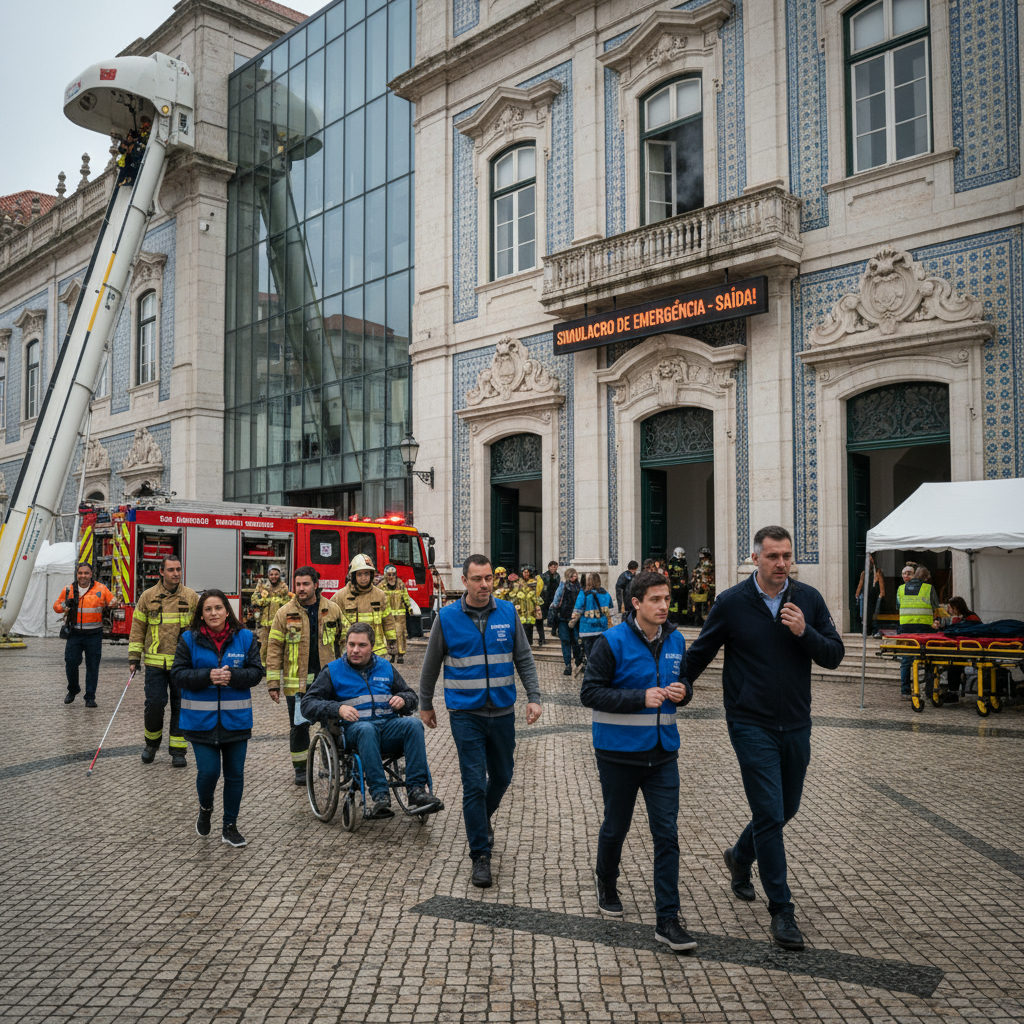
In an emergency, the strongest do not survive, but rather the best prepared. The global history of natural and technological disasters has demonstrated the devastating impact of these events, which result in significant loss of life and material damage. The importance of continuous preparation and effective drills is undeniable to mitigate risks and ensure a coordinated response.
The Importance of Emergency Preparedness
Past experiences of major catastrophes, such as earthquakes, floods, or large-scale fires, have highlighted the need to establish clear guidelines for preventing and responding to adverse events. The assessment of the socioeconomic impact of these disasters has allowed for the development of strategies for risk management and preventive actions.
Evacuation Drills: Strengthening Capabilities
Evacuation drills are crucial exercises aimed at increasing the response capacity of communities, educational institutions, organizations, companies, and public and private entities. Their main objective is to test and improve existing response procedures, as well as to raise public awareness of risks and how to act in an emergency.
Objectives of Evacuation Drills
- Strengthen the preparation of communities, educational institutions, organizations, and companies for emergency response.
- Test the effectiveness of emergency response strategies, including established procedures and protocols.
- Evaluate the ability of citizens to act before, during, and after an emergency.
- Conduct evacuation exercises that consolidate learning in self-protection, safe exit, identification of meeting points, and decision-making in emergency situations.
- Include people with disabilities, through specific exercises, ensuring that all population groups are covered by the preparation.
Organization and Corporate Participation
For drills to be effective, rigorous organization is essential. Companies, in particular, play a vital role in the preparation and execution of these exercises. They must develop emergency plans and standardized operating procedures to respond to various scenarios.
Phases of Drill Preparation and Execution
- Registration and Characterization: Companies must register with the organizing entities and characterize the participating population (workers, visitors, etc.), so that the guidelines and action procedures are adapted to their needs.
- Preparation: This phase involves raising awareness and training employees, identifying evacuation routes, safe meeting points, and preparing emergency kits.
- Execution: Carrying out the drill, following the defined procedures, with the active participation of everyone involved.
- Evaluation and Report: After the drill, it is crucial to report participation and results to the organizing entities. This evaluation allows for the identification of strengths and areas for improvement, contributing to the continuous refinement of emergency plans.
Active participation and awareness in emergency drills demonstrate organizations' commitment to the safety of their workers and resilience in the face of potential catastrophes. These exercises are indispensable tools for promoting a culture of effective prevention and risk management, safeguarding lives and property.