Musculoskeletal Disorders: Non-Specific Low Back Pain
Discover what non-specific low back pain is, how it impacts workers, and prevention and management strategies. Understand the prevalence of this condition and the relevance of ergonomic intervention in the workplace.
· 4 minutos · Segurança no Trabalho
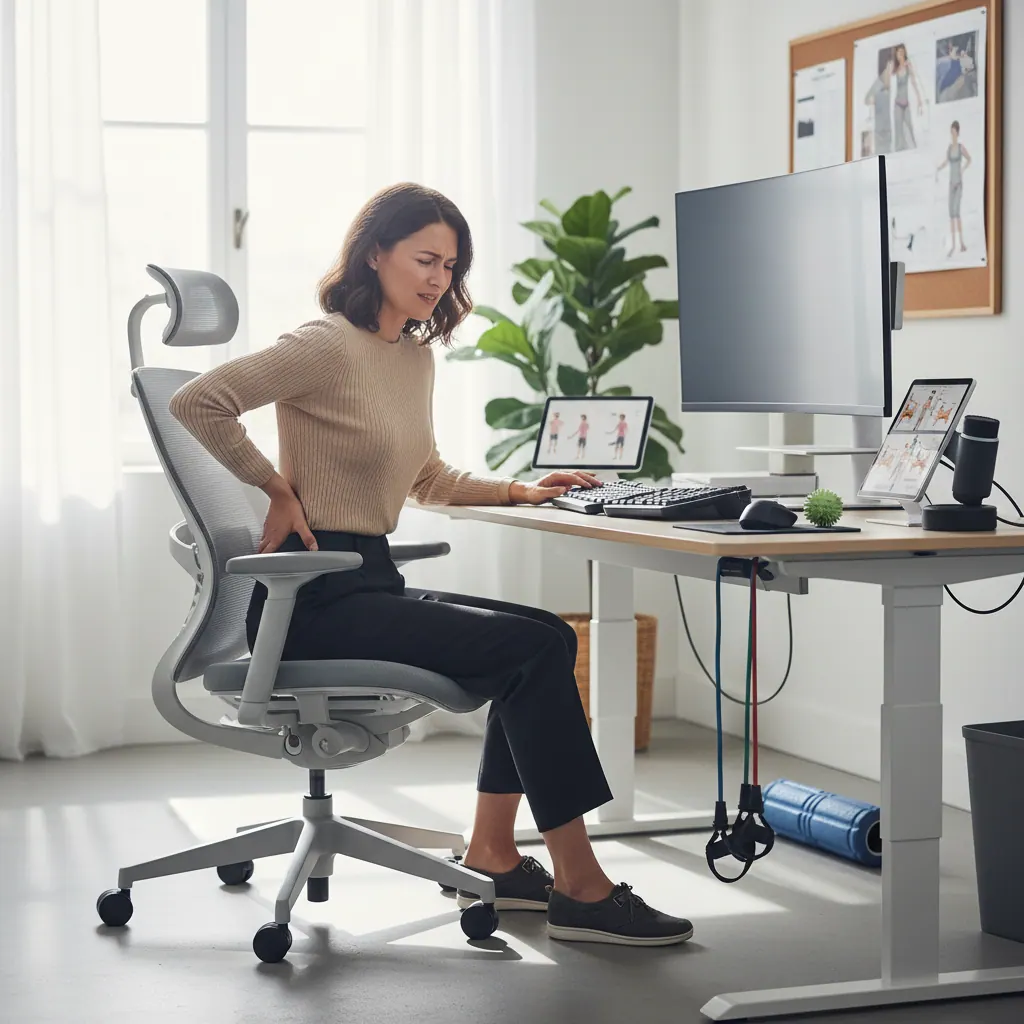
Low back pain is a significant health problem, affecting around 70 to 80% of the population at some stage in their lives. Of these cases, approximately 15% have an identifiable cause, while the majority are classified as non-specific low back pain, meaning they have no clear pathological origin.
Epidemiological studies indicate that low back pain is the condition with the highest prevalence in the adult population over 20 years of age, recording a prevalence of 14.8% for acute low back pain and 7.7% for chronic low back pain.
The Impact of Non-Specific Low Back Pain in the Workplace
In the workplace, non-specific low back pain can have a considerable impact on the productivity and well-being of employees. The physical demands of certain professions, incorrect postures and a lack of ergonomics are factors that contribute to the worsening of this condition. It is essential that employers and workers collaborate in implementing preventive measures to mitigate the risk and consequences of non-specific low back pain.
Prevention and Management in the Workplace
Preventing non-specific low back pain in the workplace involves several strategies, including:
- Ergonomic assessment: Identifying and correcting workstations that may contribute to the development or worsening of low back pain.
- Training and awareness: Educating workers on the importance of correct posture, manual handling techniques and taking active breaks.
- Adapting the working environment: Providing adjustable ergonomic furniture and equipment tailored to the individual needs of each worker.
- Promoting physical activity: Encouraging regular physical exercise that strengthens the abdominal and lower back muscles.
In Portugal, labour legislation, namely Article 131 of the Portuguese Labour Code, highlights the importance of continuous vocational training to promote occupational safety and health. Although it does not refer specifically to low back pain, training in ergonomics and occupational health falls within this framework, aiming to protect workers against occupational risks. Training can play a crucial role in preventing musculoskeletal disorders, such as low back pain, by equipping workers with knowledge and practices that safeguard their physical integrity.
Conclusion
Non-specific low back pain is a public and occupational health challenge that requires continuous attention. Its effective prevention and management in the workplace are crucial to ensuring the health and well-being of workers, contributing to safer and more productive working environments. The adoption of ergonomic measures and the promotion of healthy habits, combined with continuous training, are essential pillars in combating this condition.